

In a world where potholes seem to multiply faster than rabbits and traffic lights have a mind of their own, public infrastructure technologies are stepping in like superheroes in hard hats. These innovations aren’t just fixing roads; they’re transforming how cities function, making life smoother, safer, and—dare we say—more enjoyable.
Overview of Public Infrastructure Technologies
Public infrastructure technologies encompass various innovations that enhance urban functionality and livability. Smart traffic management systems leverage sensors and real-time data to optimize signal timing, reducing congestion significantly. Autonomous drones assist in infrastructure inspections, providing detailed insights without the need for ground-level access.
Next, integrated public transit systems utilize apps to provide commuters with real-time updates on schedules and delays. Such technologies improve efficiency and convenience for users. Furthermore, advanced materials in road construction, like self-healing asphalt, prolong road life and decrease maintenance costs.
Green technologies focus on sustainability in public infrastructure as well. For instance, solar-powered streetlights minimize energy consumption while providing essential lighting. Data analytics play a crucial role in urban planning, allowing city officials to make informed decisions based on comprehensive analyses of usage patterns and maintenance needs.
Moreover, the Internet of Things (IoT) is revolutionizing public utilities management. Smart meters enable real-time monitoring of water and electricity consumption, leading to conservation efforts that lower costs for residents.
Last, public infrastructure technologies also promote citizen engagement. Mobile applications empower residents to report issues like potholes or broken lights directly to local officials, fostering community involvement.
Through these advancements, public infrastructure technology addresses existing challenges and prepares cities for future demands.
Types of Public Infrastructure Technologies
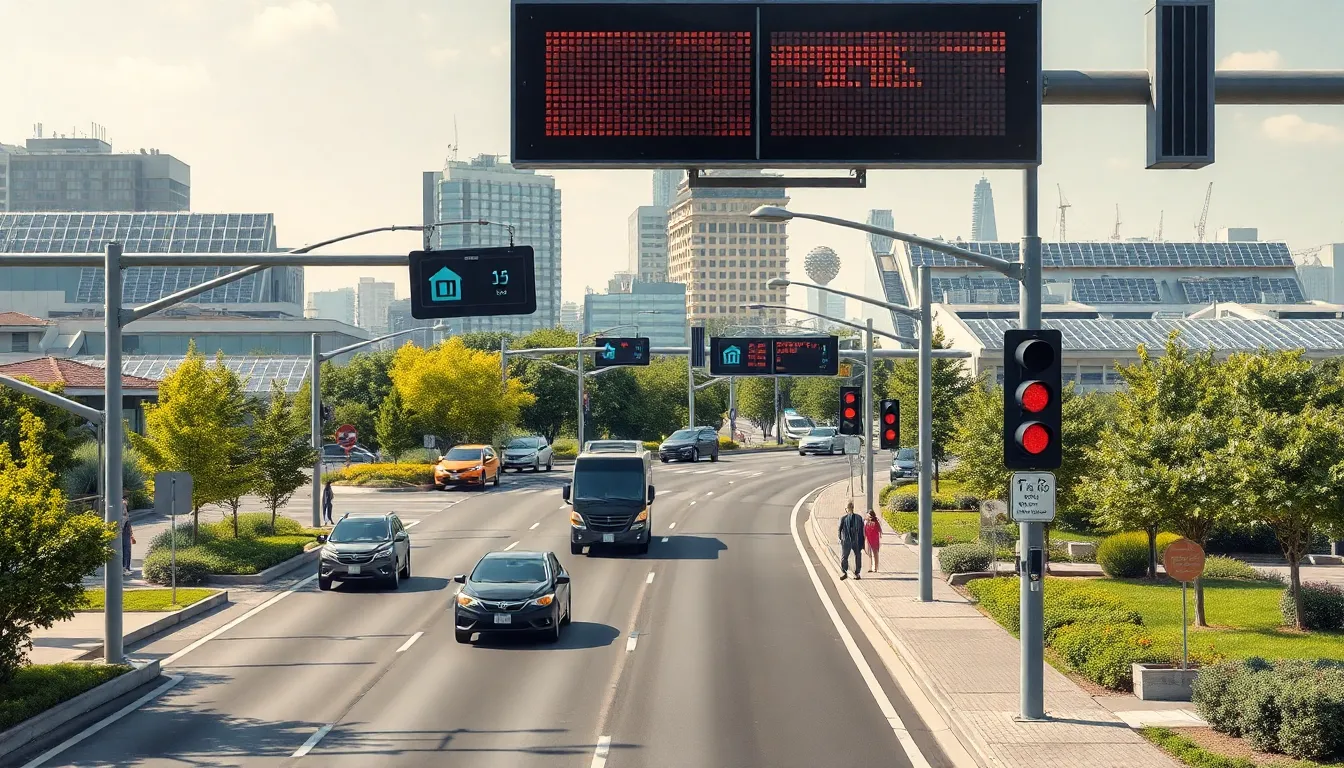
Public infrastructure technologies encompass various advancements designed to enhance urban living and operational efficiency. Below are some key categories.
Smart Transportation Systems
Smart transportation systems integrate advanced technologies to improve traffic flow and safety. These systems utilize sensors and cameras to monitor traffic conditions in real time. Adjustments to signal timing occur dynamically, minimizing congestion. Route optimization ensures that vehicles take the most efficient paths. Additionally, mobile applications provide real-time updates for public transit schedules. These developments promote more reliable commuting experiences for citizens.
Renewable Energy Solutions
Renewable energy solutions contribute significantly to sustainable public infrastructure. Solar panels installed on buildings and streetlights harness sunlight, reducing reliance on conventional energy sources. Wind turbines generate electricity in suitable locations, providing additional renewable power. Moreover, energy-efficient building materials minimize consumption, promoting greener construction practices. Communities benefit from decreased utility costs due to these innovations. This transition not only conserves resources but also supports long-term environmental goals.
Water Management Technologies
Water management technologies play a crucial role in efficient resource use and conservation. Smart sensors detect leaks in water distribution systems, enabling prompt repairs and minimizing waste. Advanced irrigation systems optimize water distribution for parks and public spaces, ensuring sustainable landscaping practices. Rainwater harvesting systems capture and store rain for non-potable uses. Additionally, data analytics help municipalities monitor water quality and usage patterns. These methods foster responsible water management, enhancing community resilience against climate impacts.
Benefits of Public Infrastructure Technologies
Public infrastructure technologies offer multiple advantages that significantly enhance urban life. They create more efficient systems and promote sustainable practices across various sectors.
Enhanced Efficiency
Smart transportation systems improve traffic flow through real-time monitoring. These technologies analyze vehicular data to optimize signal timings, reducing congestion during peak hours. Automated alerts notify maintenance teams about road issues, streamlining repairs and minimizing delays. Additionally, integrated public transit systems provide real-time updates, ensuring quicker and more reliable travel for commuters. Advanced materials, like self-healing asphalt, extend the lifespan of roads, decreasing the need for frequent repairs and resource expenditures.
Sustainability and Environmental Impact
Sustainable technologies contribute positively to the environment. Solar-powered streetlights decrease energy consumption while promoting renewable energy usage. Green infrastructure, such as permeable pavements, manages stormwater effectively, reducing flooding risk and maintaining groundwater levels. Smart sensors in water management allow for precise resource use, lowering waste and promoting conservation in landscaping and irrigation. These innovations collectively enhance urban resilience against climate impacts, creating healthier communities and more sustainable living conditions.
Challenges in Implementing Public Infrastructure Technologies
Implementing public infrastructure technologies presents various challenges that hinder effective deployment and integration. Addressing these obstacles is crucial for enhancing urban infrastructure.
Funding and Budget Constraints
Securing adequate funding remains a significant challenge for many municipalities. Limited budgets restrict investment in essential infrastructure technologies. Grant availability can be sporadic, impacting project timelines significantly. Local governments often face competing priorities, making it difficult to allocate funds specifically for innovative solutions. Consequently, some projects may be delayed or scaled back, affecting their overall effectiveness. Financial incentives and public-private partnerships may offer alternative funding routes, yet navigating these options can be complex. Cities must prioritize infrastructure technology investments to truly reap the benefits.
Technological Integration
Integrating new technologies into existing systems poses interoperability issues. Legacy systems often lack compatibility with modern advancements, creating friction during implementation. Stakeholders must collaborate efficiently to address these challenges. Training staff on new technologies can require significant time and resources. Resistance to change among employees and the public can further complicate acceptance of new systems. Achieving successful integration demands consistent communication among all parties involved. Overcoming these hurdles is essential for maximizing the potential of public infrastructure technologies.
Future Trends in Public Infrastructure Technologies
Emerging technologies shape the future of public infrastructure by enhancing urban efficiency and sustainability. Smart cities leverage advancements like artificial intelligence to transform traffic management systems, which enable real-time adjustments based on current conditions. Enhanced data analytics allow municipalities to collect and interpret large datasets, leading to more informed planning and resource allocation.
Advanced materials continue to evolve, introducing concepts like self-healing asphalt, which minimizes road repair frequency and costs. Drones play a crucial role in infrastructure inspections, providing quick assessments and reducing risks for workers. Real-time monitoring via IoT devices leads to more agile responses in utility management, improving service reliability and reducing wastage.
Renewable energy solutions expand their footprint in urban settings, as cities implement solar panels and wind turbines to foster energy independence. Smart water management technologies utilize sensors and automated systems to monitor resource usage, paving the way for improved conservation practices. These trends not only facilitate operational efficiency but also cultivate community engagement by offering transparency in public services.
Upcoming advancements indicate a focus on integrating green technologies into infrastructure projects. Smart traffic signals equipped with adaptive controls respond dynamically to traffic patterns, promoting smoother commutes. Programs encouraging citizen participation, such as mobile apps for reporting issues, enhance collaboration between residents and local governments.
Overall, the trajectory of public infrastructure technologies points toward creating resilient, adaptive cities ready to face future challenges. Emphasis remains on collaboration, innovation, and sustainable practices as urban areas evolve to meet the demands of their residents.
Public infrastructure technologies are paving the way for smarter and more sustainable urban environments. By leveraging innovations like smart transportation systems and renewable energy solutions, cities can enhance efficiency and resilience. These advancements not only improve daily life for residents but also contribute to environmental sustainability.
However, successful implementation requires overcoming significant challenges. Addressing funding constraints and ensuring interoperability among systems are critical steps toward maximizing these technologies’ benefits. As cities embrace these innovations, they must prioritize community engagement and collaboration to create a more adaptive future. The ongoing evolution of public infrastructure technologies holds the promise of transforming urban living for generations to come.